
Academic Entry; 2025
Honey & Burrow
Branding, cookbook and menu system
Honey & Burrow is a speakeasy-style bar and kitchen in Savannah, Georgia, inspired by fables and the spirit of rebellion. The menu centers on shared tapas — from spiced croquettes to garlic shrimp — alongside a thoughtful list of craft cocktails, wines, beers, and spirits. Cozy yet sly, it’s a place where guests gather in a warm, story-filled atmosphere to share plates, raise glasses, and savor food and drink that balance comfort with a playful edge.
About Honey & Burrow
Story and Inspiration
“The Rabbits Who Caused All the Trouble” is a fable where wolves, feeling inconvenienced by the rabbits’ very existence, accuse them of everything from natural disasters to unrest in the forest. The wolves hold press conferences, spin stories, and eventually ‘resolve’ the problem by locking the rabbits away — a thinly veiled excuse to devour them. The tale is sharp, satirical, and darkly funny: the wolves represent power cloaked in respectability, while the rabbits are the scapegoats whose only crime was survival.
At Honey & Burrow, this story is both namesake and spirit — a place that reclaims the rabbits’ legacy, turning exile and accusation into warmth, community, and a good drink shared safely underground.
The Rabbits Who Caused All the Trouble
James Thurber, The New Yorker, 1939
Within the memory of the youngest child there was a family of rabbits who lived near a pack of wolves. The wolves announced that they did not like the way the rabbits were living. (The wolves were crazy about the way they themselves were living, because it was the only way to live.) One night several wolves were killed in an earthquake and this was blamed on the rabbits, for it is well known that rabbits pound on the ground with their hind legs and cause earthquakes. On another night one of the wolves was killed by a bolt of lightning and this was also blamed on the rabbits, for it is well known that lettuce-eaters cause lightning. The wolves threatened to civilize the rabbits if they didn’t behave, and the rabbits decided to run away to a desert island. But the other animals, who lived at a great distance, shamed them, saying, “You must stay where you are and be brave. This is no world for escapists. If the wolves attack you, we will come to your aid, in all probability.”So the rabbits continued to live near the wolves and one day there was a terrible flood which drowned a great many wolves. This was blamed on the rabbits, for it is well known that carrot-nibblers with long ears cause floods. The wolves descended on the rabbits, for their own good, and imprisoned them in a dark cave, for their own protection.
When nothing was heard about the rabbits for some weeks, the other animals demanded to know what had happened to them. The wolves replied that the rabbits had been eaten and since they had been eaten the affair was a purely internal matter. But the other animals warned that they might possibly unite against the wolves unless some reason was given for the destruction of the rabbits. So the wolves gave them one. “They were trying to escape,”said the wolves, “and, as you know, this is no world for escapists.”
Moral: Run, don’t walk, to the nearest desert island.
Logo and logotype
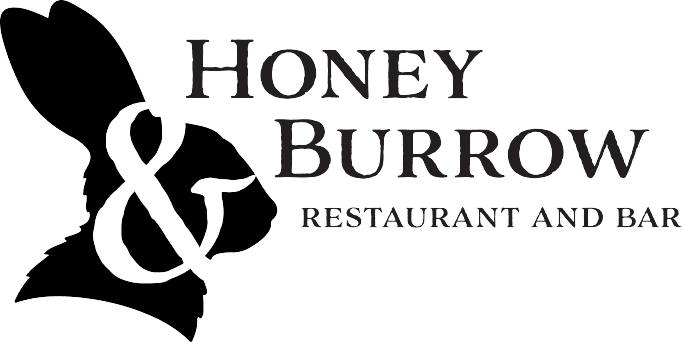
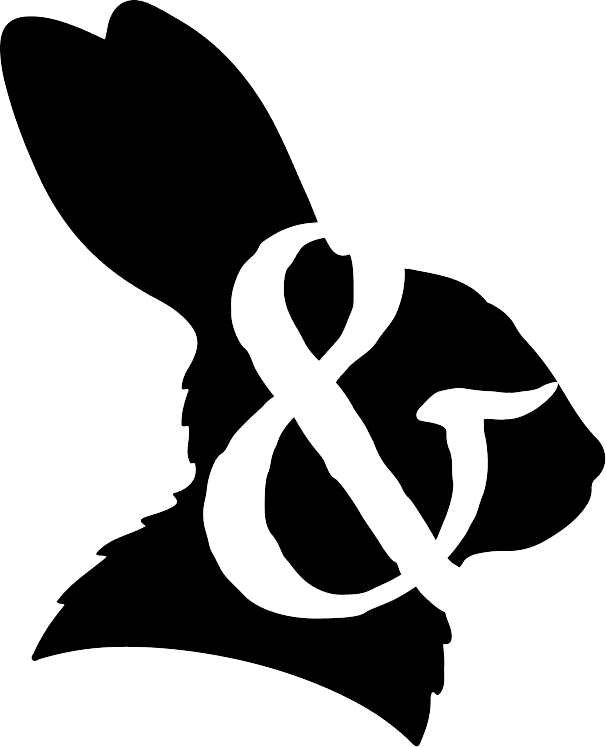
For the logo, I wanted to show the restaurant’s overall theme of classic simplicity with whimsical elements, by using a simple Adorn Serif ampersand silhouette over a rabbit’s shadow. Adorn Serif was used as a nod to letter-pressed typography used in classic prints, such as fables.
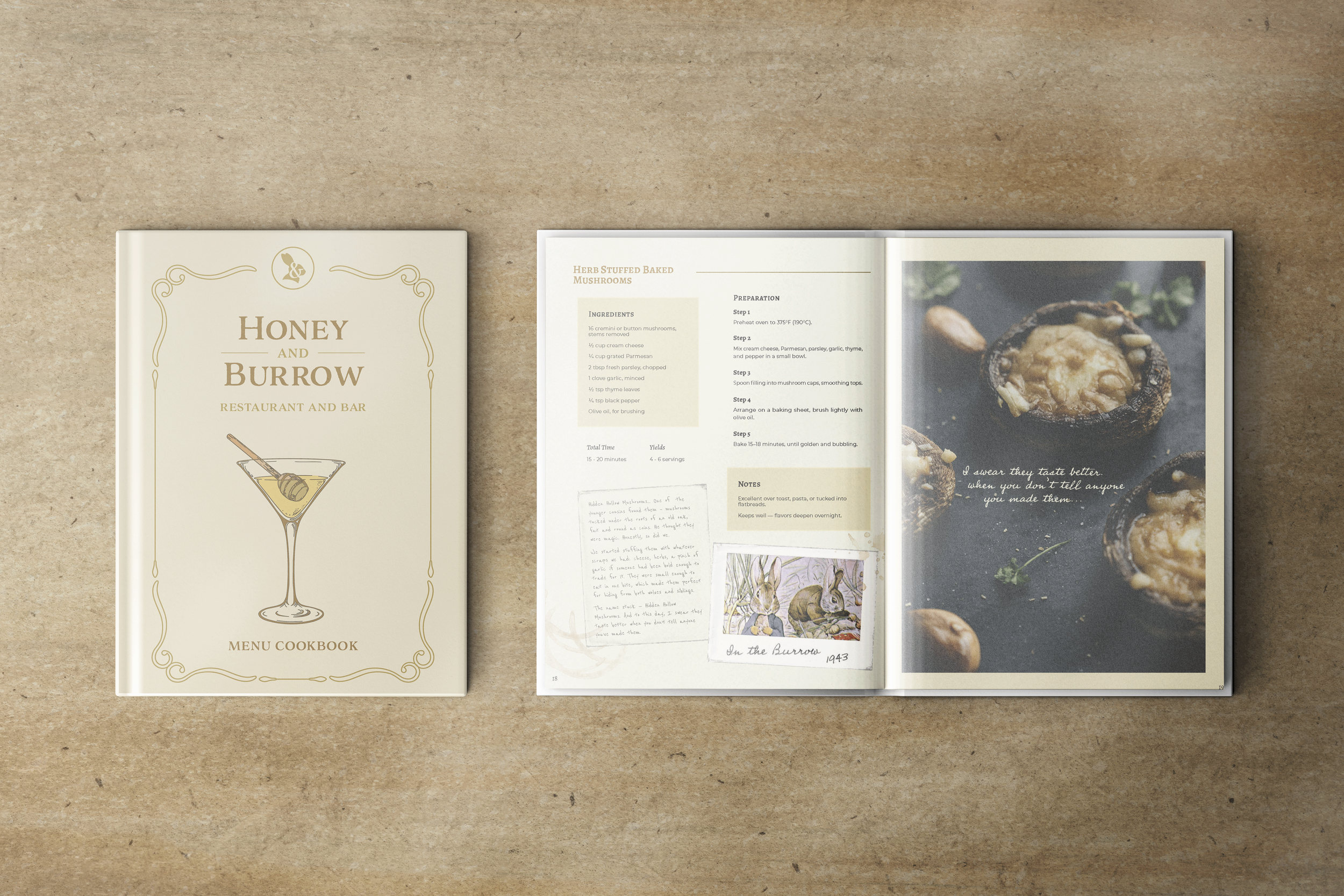
Honey and Burrow Cookbook
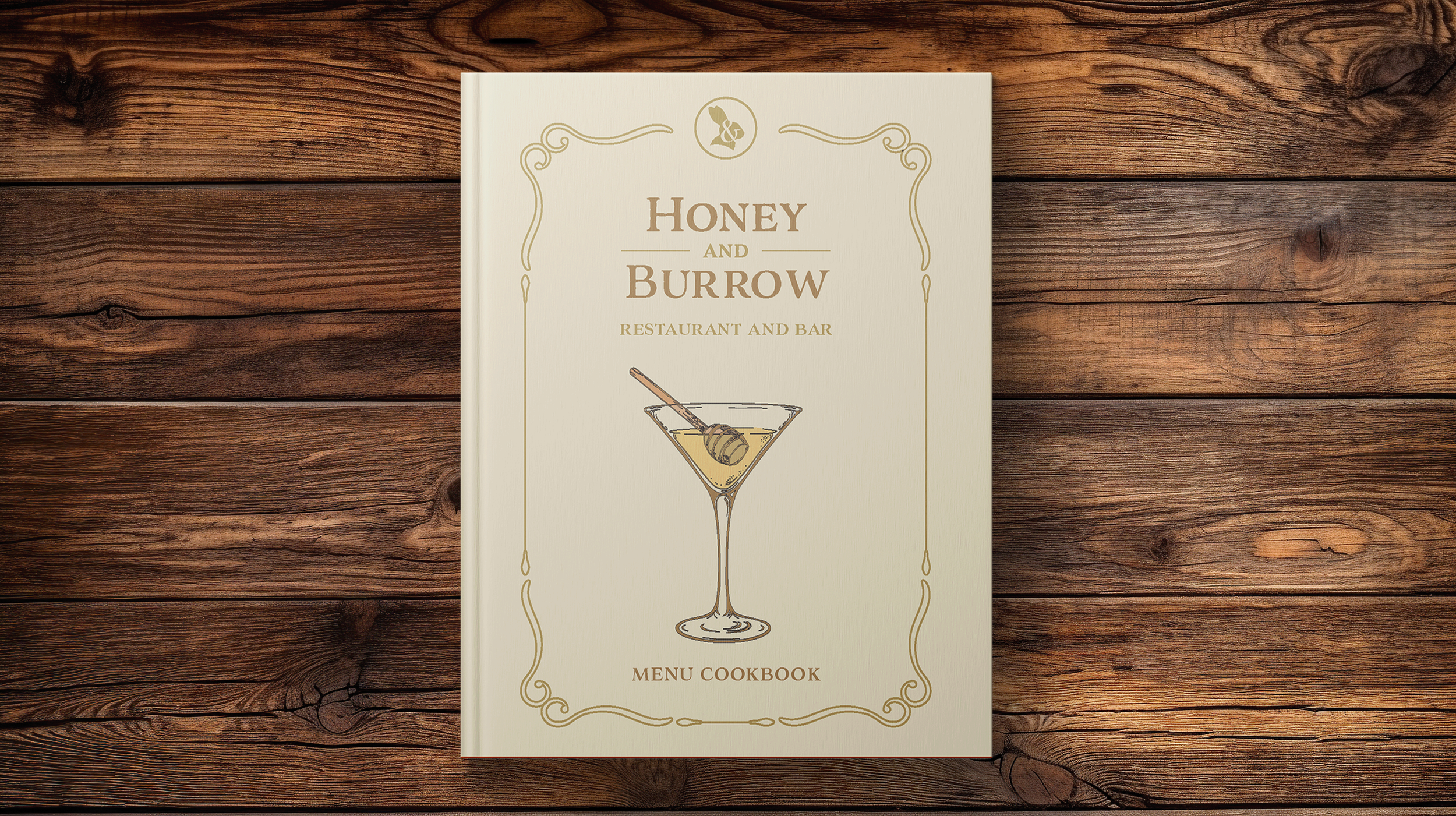
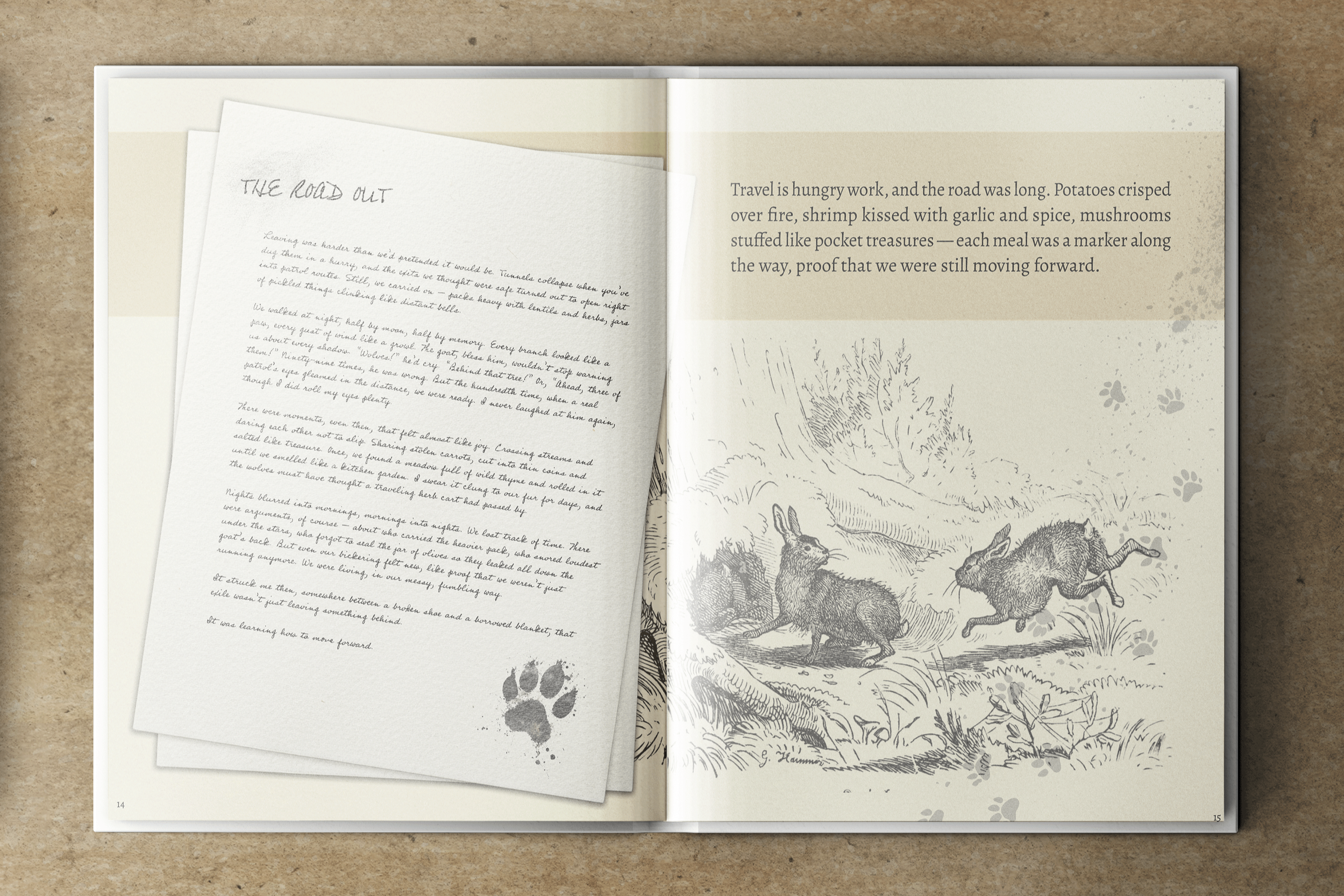
The Honey & Burrow Cookbook takes you through the story of the restaurant’s protagonist, with short stories of the rabbit’s time in exile, connecting the recipes back to a bigger picture. With hand-drawn illustrations and handwritten notes, the pages are meant to depict a journal of sorts surrounding the one thing that brought the burrow together: their food.
Honey and Burrow Menu System
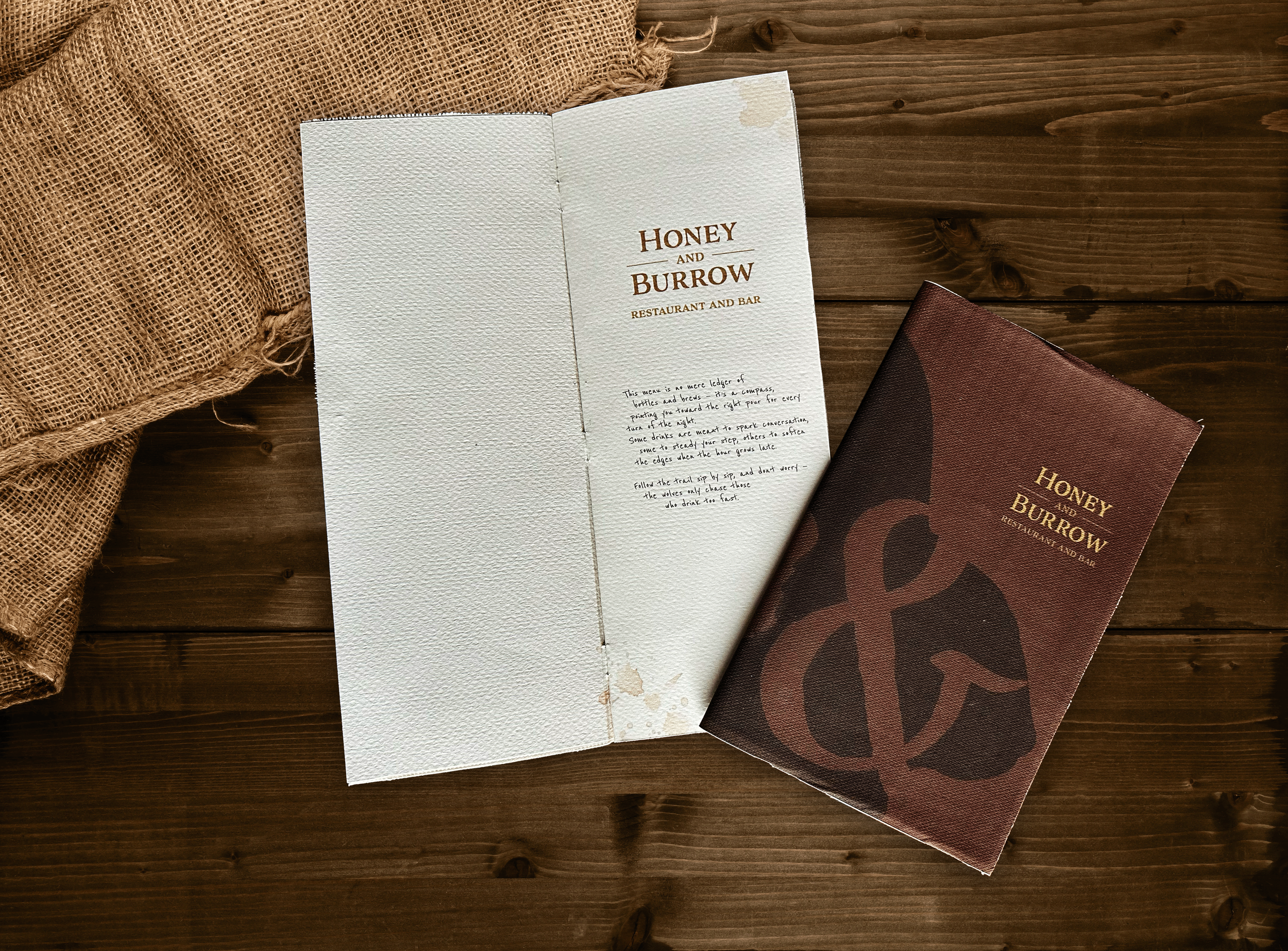
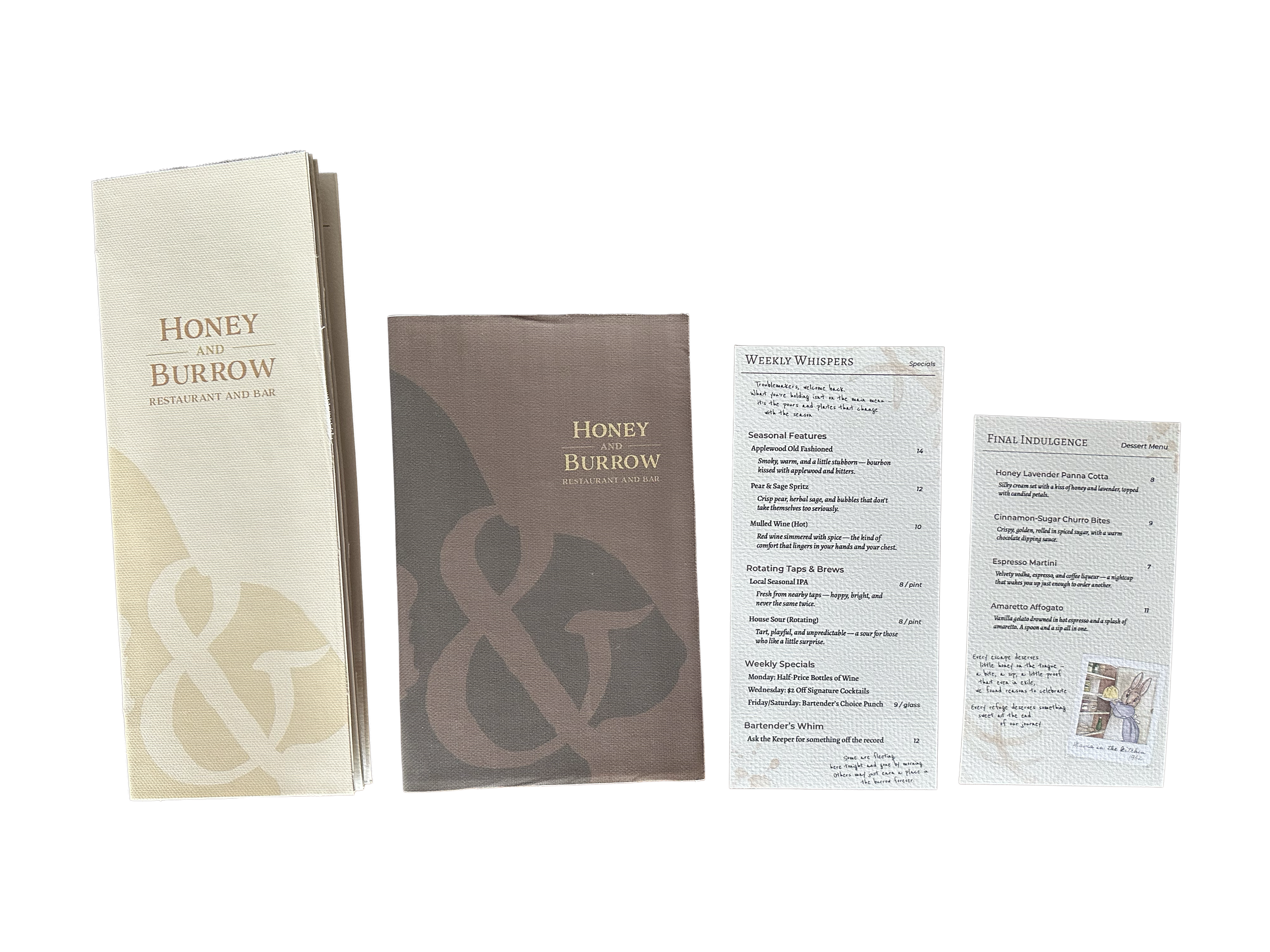
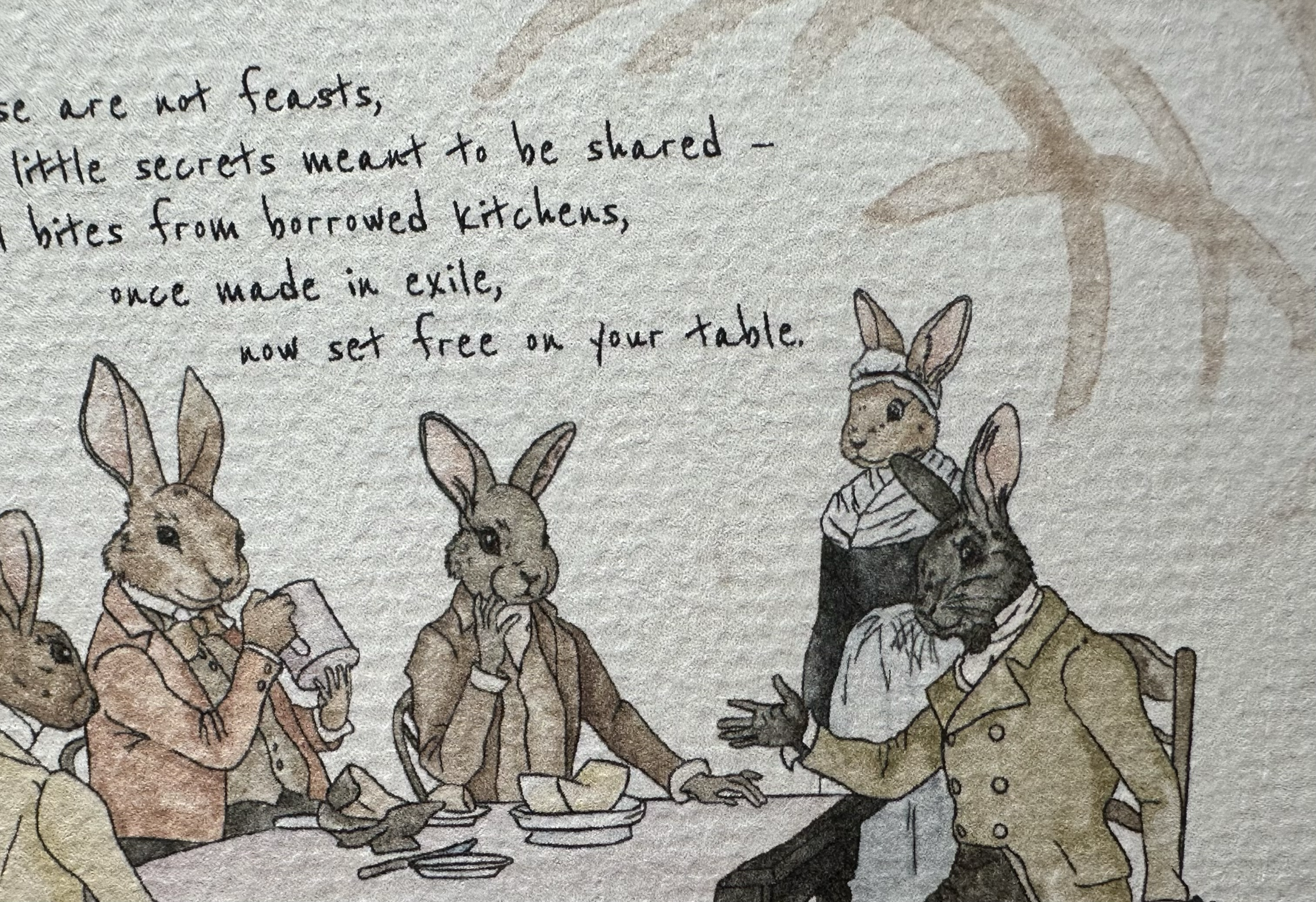
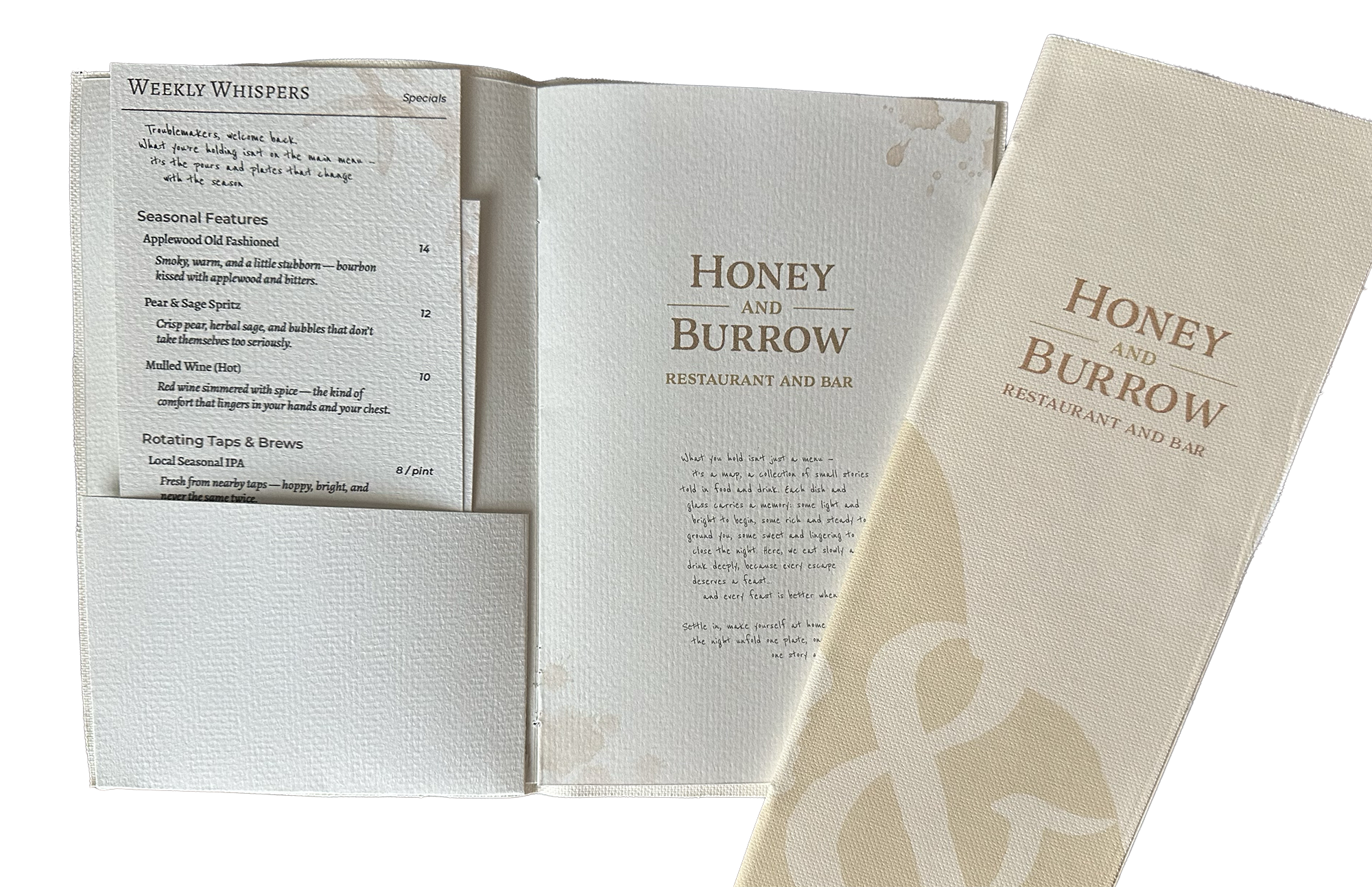
In a similar light to the cookbook, the menu system also features short, handwritten notes from the restaurants protagonist along with hand-drawn imagery relating to the restaurant’s overall story, meant to pull patrons into the atmosphere of community.
additional credits
“The Road Out” illustration from the New Yorker, with all other hand illustrations made by the designer, Amber Williams.
Food photography used in the book is from Pexels for non-commercial use.